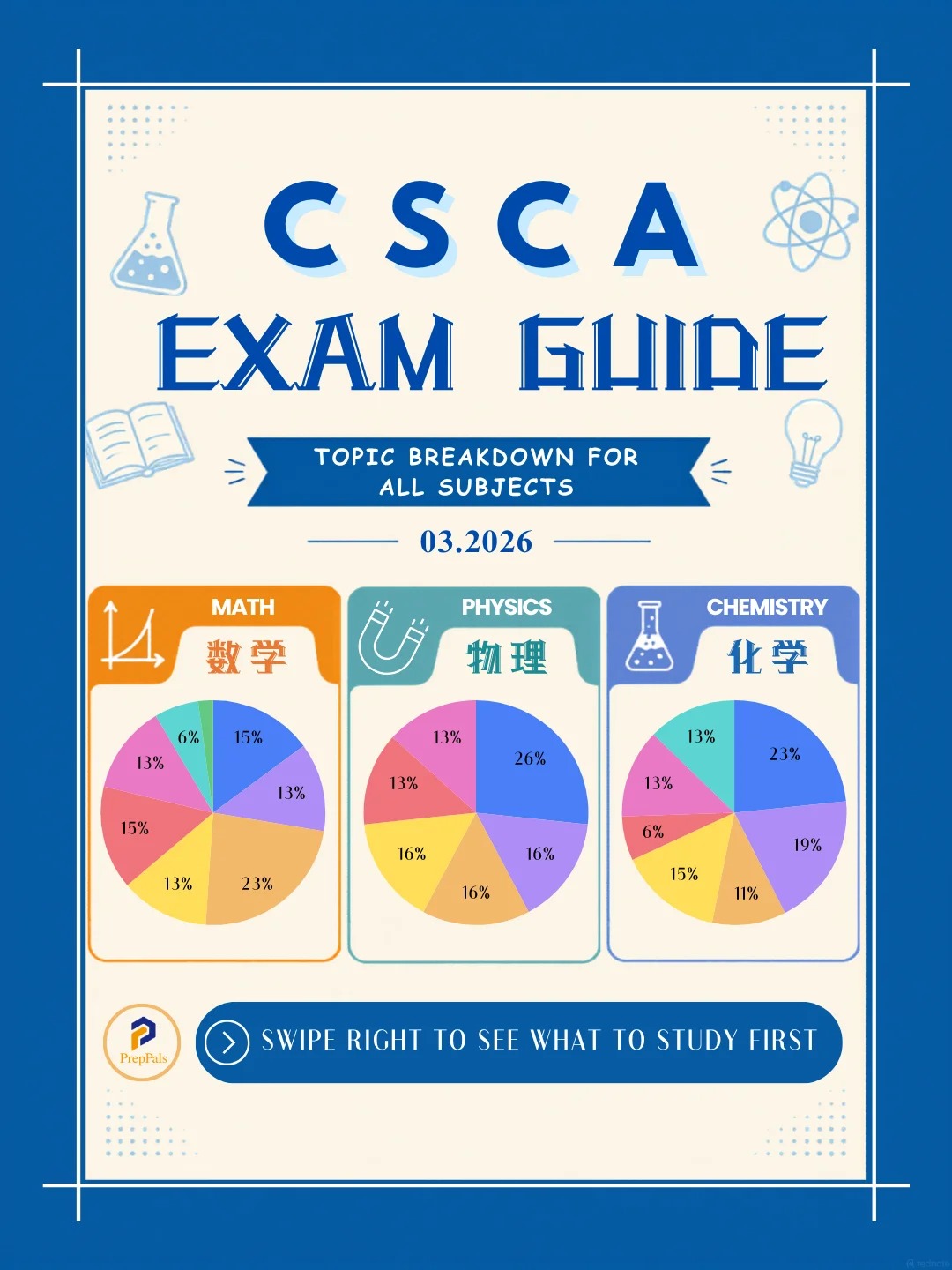
A structure-focused analysis of how PrepPals compared its mock and training design with the official CSCA Math exam.
Visual Summary
After the CSCA Math exam, some students said the questions did not look identical to what they had seen before, yet the paper still felt familiar. That distinction is important. It points to structure, not memorisation.
Why structure matters more than guessing
A strong preparation system does not rely on predicting exact questions. It trains students to recognise how the exam is built: which modules matter most, how problem types are distributed, and what solving patterns appear repeatedly.
What we compared
PrepPals compared its mock structure with the official CSCA Math paper across the full question set. The comparison looked at both module distribution and the similarity of problem-solving models, not just surface wording.
- Topic distribution across major modules
- Relative emphasis on core areas such as analytic geometry and trigonometry
- Similarity in underlying problem-solving models
What this means for students
For students, the practical takeaway is simple: better preparation does not always mean seeing the same question again. It often means walking into the exam already familiar with the structure, the starting point, and the logic behind the problems.
FAQ
Does this mean PrepPals predicted the exact exam questions?
No. The stronger claim is about structure and problem-solving models, not exact repeated wording.
Why is structure analysis useful for students?
Because it helps students understand where to focus, how to approach the paper, and which types of thinking are most likely to matter.